Building a quantum computer capable of delivering real-world value across industries is an audacious goal, one that requires engineering discipline and manufacturing scale. It is also the driving mission of the Illinois Quantum and Microelectronics Park’s anchor tenant, PsiQuantum: to build and deploy the world’s first utility-scale, fault-tolerant quantum computers.

Aaron Fluitt is Senior Director of Technology Partnerships at PsiQuantum
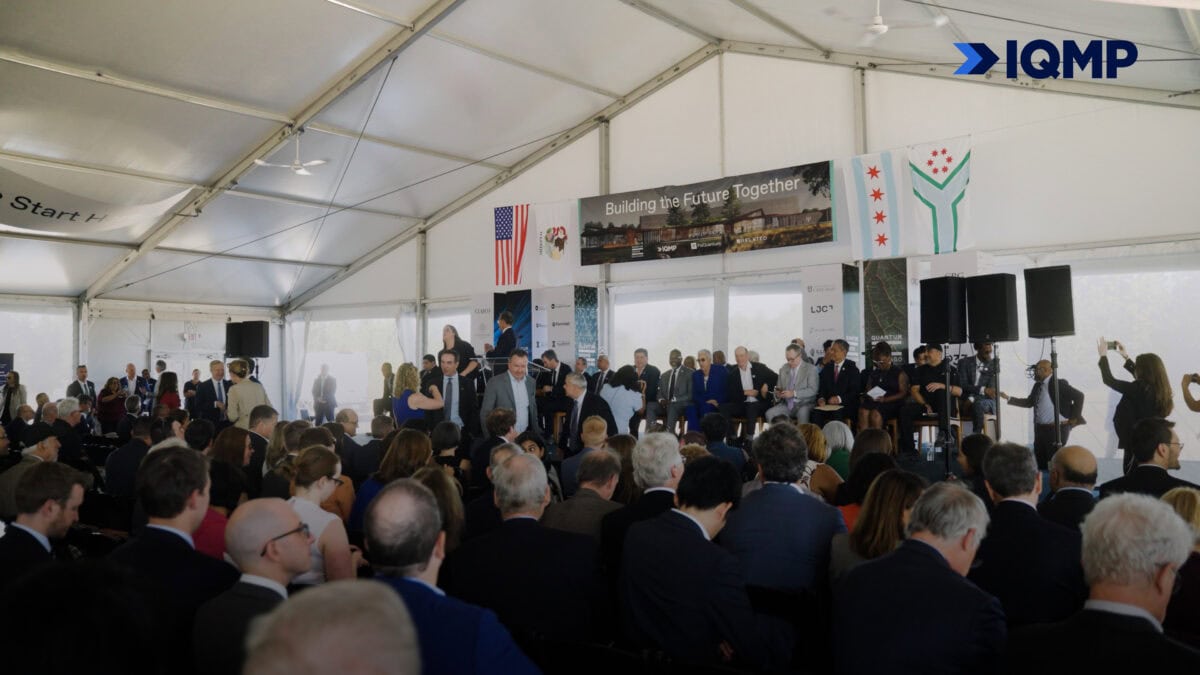
After a decade of research, collaboration and partnership building, PsiQuantum broke ground last fall on the state-of-the-art facility where their first utility-scale computer in the United States will ultimately be built and deployed. Headquartered in Palo Alto, California, the company chose to put roots down in Illinois, joining an unmatched ecosystem of national laboratories and leading universities with strong commitment from state and local leaders.
Aaron Fluitt, PsiQuantum’s Senior Director of Technology Partnerships, points to Illinois’ deep computing legacy and the Midwest’s industrial strength as key factors that make Chicago the best place to lead the future of quantum computing in America.
In our latest Deep Dive, Fluitt unpacks what it takes to build a real, useful quantum computer and how this technology could usher in a new era of economic growth and prosperity.

What is PsiQuantum building, and what distinguishes it from other quantum computers?
PsiQuantum is building America’s first utility-scale, fault-tolerant quantum computer at the IQMP in South Chicago. The company was founded with the conviction that useful quantum computing requires full error correction and on the order of one million qubits. Our architecture is based on silicon photonics, which allows us to leverage the extraordinary scale of the semiconductor industry. We’re already manufacturing wafers of quantum computing chips with our partners at GlobalFoundries, which is one of the world’s most advanced semiconductor fabs. These chips—and the networking, cooling, and control systems that are rapidly being scaled around them—will be the basis for what we’re building in South Chicago.
Has public awareness of quantum kept pace with technological advancements?
Public awareness is relatively strong here in the Midwest thanks to years of hard work by exceptional educators, researchers, and civic leaders. But there’s more work to do. As quantum technology gets closer to commercial deployment, like the IQMP is making possible, we can talk more about the opportunities it will create for the industries and people here. I think that’s a healthy and exciting transition.
What’s one thing about quantum that you wish more people understood—and why?
Building the first fault-tolerant quantum computer isn’t the finish line. It’s the starting line for a much longer and more exciting era of industrial scale quantum computing. Large-scale quantum computers will help industrial companies unlock better products, better manufacturing processes, and better technologies. Over the next few years, I believe we will increasingly associate quantum computing with industrial scale innovation, which ties into some of the Midwest’s core strengths.
What has PsiQuantum gained from Illinois’ quantum ecosystem?
The state’s science and technology ecosystem is uniquely suited to what we’re building. The quantum science ecosystem is one-of-a-kind. Beyond that, for decades Illinois universities and national laboratories have been pioneering new computing paradigms and some of the most complex scientific tools in the world. Illinois has an exceptional and longstanding community of computational scientists that spend many of their waking hours thinking about how to use the newest computers to do better science and innovate better products. There are very strong companies here in chemicals, pharmaceuticals, energy, and other industries that benefit from that same ecosystem. Educators in Illinois are bringing this knowledge to talented students who are going to be leaders in the field themselves. The value of the Chicago location goes beyond the physical space at the IQMP—it’s about being strategically positioned in a region that’s primed to take advantage of a capability like this.
What kinds of jobs and opportunities will PsiQuantum create at the IQMP?
When we announced that we were coming to the IQMP, PsiQuantum said that we plan to ultimately create at least 150 jobs in Chicago. I anticipate a broad workforce of both technical and non-technical professionals, bringing different backgrounds and skills, including technicians, engineers and scientists, software developers, and many other operations and business roles.
Talk about your community engagement work. How have you been working with educators and nonprofits to introduce young people to STEM?
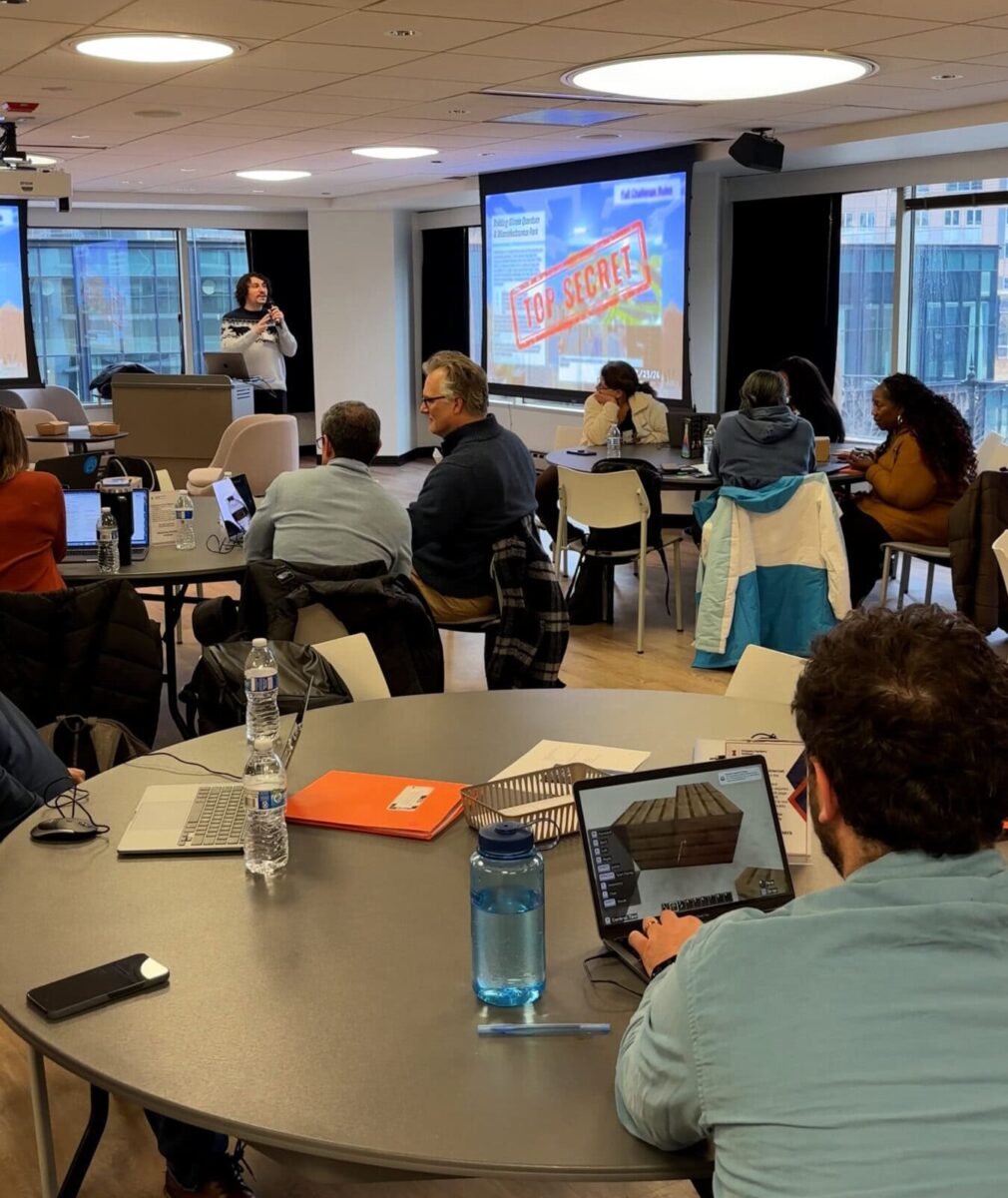
This is really important to PsiQuantum’s work in Chicago. We want to engage frequently and deeply with our neighbors. That starts with community leaders and educators in South Chicago. Most recently, we invested in new STEM education equipment at Bowen High School and in an engineering summer camp for Chicago Public Schools students with our partners at Chicago State University.
More broadly, we work closely with local K–12 principals and higher-education partners to ensure they are informed about the skills and educational pathways needed for careers in the quantum workforce. The goal is twofold and mutually beneficial: schools gain clear insight into what quantum employers like PsiQuantum seek in successful candidates, and PsiQuantum helps build a steady pipeline of qualified, local talent prepared to pursue these opportunities.
What advice would you give to a young person interested in entering the quantum field?
Now is a great time to learn. There’s more than one way to get involved and those opportunities will only increase over time. Having some curiosity about STEM is valuable for everybody, whether or not you see yourself doing technical work. I would encourage young people in Illinois to explore this first through their school or community, then consider larger programs through colleges, two- and four-year universities, and national laboratories.
Quick Hits:
- One word to describe PsiQuantum: Driven.
- If you weren’t working in quantum, what field would you be in? I’d be in energy. It’s impossible to separate energy from the way we live and the way society has advanced.
- Finish this sentence: “Quantum technology will change the world by…unlocking the insights needed for better products and better technologies.”